Why is moss growing on my Seattle roof and is it harmful
Moss on your Seattle roof is a warning sign, not just a cosmetic issue. Learn why it grows here, what damage it causes, and how to remove it safely.
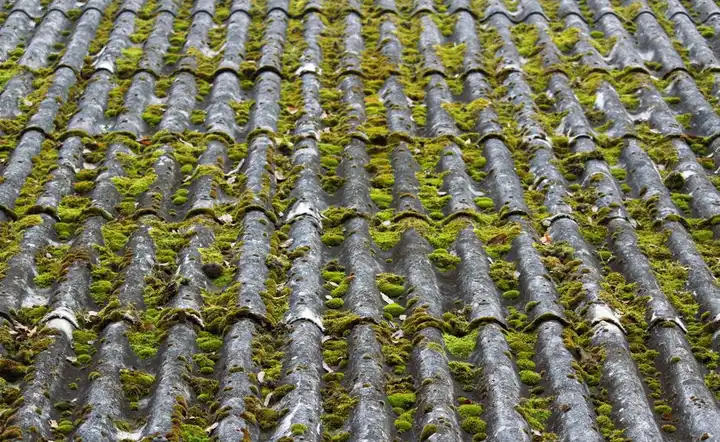
Moss is growing on your Seattle roof because this climate gives it exactly what it needs: 150+ days of rain per year, mild temperatures that rarely drop below freezing, and shade from tall evergreens that keeps roof surfaces damp for hours after a storm. Yes, it is harmful - moss roots lift shingle edges, traps moisture against the deck, and shortens roof life by 5 to 10 years if left alone. This article covers why moss thrives here, the real damage it causes, how to remove it safely, what it costs in 2026, and when to call a pro.
Why moss grows on Seattle roofs
Moss growing on roof Seattle WA surfaces is a direct result of the Pacific Northwest's marine climate. Our wet winters, cool springs, and long stretches of overcast skies create a nearly perfect growing environment for bryophytes - the plant family that includes moss. Spores blow in from surrounding forests, land on your shingles, and germinate within weeks if the surface stays damp.
Three conditions have to line up for moss to take hold:
- Moisture. Seattle averages about 37 inches of rain per year, most of it between October and April. North-facing roof planes and areas under tree cover never fully dry out.
- Shade. A roof shaded by Douglas firs, cedars, or big-leaf maples stays wet 4 to 6 hours longer after rain than a sun-exposed roof.
- Organic debris. Fallen needles, leaves, and pollen collect in shingle gaps and valleys. That debris holds water like a sponge and gives moss a place to root.
Asphalt shingles are especially vulnerable. The gritty surface holds moisture, and the limestone filler in older shingles slowly leaches out, leaving a porous surface moss can grip. Homes in neighborhoods like Ballard Roofing and Wallingford, where mature street trees shade rooftops most of the day, tend to see moss earlier and thicker than newer developments with full sun exposure.
Is moss on your roof actually harmful?
Yes. Moss on roof shingles in Seattle causes measurable damage long before you see a leak inside the house. The plant itself is not the problem - the water it holds and the roots it sends under your shingles are.
Here is what we see on inspections across the city:
- Lifted shingle edges. Moss rhizoids work under the tabs the way a pry bar works under a nail head. Once the seal is broken, wind-driven rain gets underneath.
- Trapped moisture. A moss mat can hold 10 to 20 times its dry weight in water. That moisture sits against the roof deck for days.
- Rot and delamination. Plywood and OSB decking exposed to constant moisture starts to soften within 2 to 3 seasons. Once the deck rots, you are looking at a full tear-off, not a patch.
- Granule loss. As moss grows and dies back, it loosens the protective granules on asphalt shingles. Bare shingles age 3 to 5 years faster than covered ones.
- Gutter clogs. Moss washes into gutters and downspouts, causing overflow that damages fascia, siding, and foundations.
If you have noticed dark streaks, curling shingle edges, or granules in your gutters, it is worth scheduling a Roof Inspection Seattle WA before the next rainy season. Catching moss damage early is the difference between a $400 cleaning and a $12,000 replacement.
How to remove moss from your roof in Seattle WA
Removing moss from a Seattle roof safely means killing the moss first, then gently lifting it off - never scraping or pressure-washing it off dry. Aggressive removal tears shingle granules and drives roots deeper into the mat.
Here is the sequence our crews use:
- Apply a moss treatment. We use a zinc sulfate or potassium-salt-based product rated for asphalt and metal roofs. It kills the moss at the root without bleaching shingles.
- Let it work. The moss turns brown and releases its grip over 2 to 4 weeks. This step cannot be rushed.
- Brush it off. A soft-bristle roof brush or a leaf blower on low clears the dead moss without abrading the shingle surface.
- Clear debris from valleys and gutters. Needles and leaves go first so water can move.
- Install zinc strips. A 2- to 3-inch zinc strip along the ridge line releases trace metal every time it rains, which stops new moss from rooting for 3 to 5 years.
For roofs with heavy growth - more than 30% coverage, or moss growing in the valleys - a professional Roof Moss Removal Seattle WA service is safer than a DIY attempt. We walk the roof with fall protection, treat it, and come back to clear the dead material once it releases.
How much does roof moss removal cost in Seattle WA?
Typical 2026 pricing for roof moss removal in Seattle runs $350 to $900 for a single-family home, depending on roof size, pitch, and how much moss is up there. A simple one-story rambler with light moss lands near the low end. A steep two-story Craftsman with heavy growth in the valleys lands near the high end.
Here is a rough breakdown:
- Light moss, easy access: $350-$500
- Moderate moss, standard pitch: $500-$700
- Heavy moss or steep roof: $700-$900+
- Zinc strip installation (add-on): $200-$400
- Gutter cleaning (add-on): $150-$300
If moss has already lifted shingles or rotted the deck, the cost climbs. A Roof Repair Seattle WA visit to replace damaged shingles and flashing typically adds $400 to $1,500 to the job. The cheapest move is always to treat moss before it damages the roof, not after.
Common mistakes to avoid
The most common mistake Seattle homeowners make with roof moss is treating it like a cosmetic problem. It is not. Moss is a structural issue that gets more expensive every season it is ignored.
Other mistakes we see regularly:
- Pressure-washing the roof. A pressure washer strips granules and drives water under shingles. It can turn a $500 cleaning into a $10,000 replacement.
- Scraping moss off dry. Dry moss is anchored tight. Scraping tears shingle tabs and leaves roots behind to regrow.
- Using bleach or pool chlorine. These corrode flashing, kill landscaping below, and void most shingle warranties.
- Walking the roof in wet weather. Mossy shingles are as slick as ice. Falls are the number one roofing injury in Western Washington.
- Ignoring the trees. If branches hang within 6 feet of the roof, moss will come back no matter how well you clean. Trim them back.
If you are not comfortable on a ladder, do not get on the roof. A fall from a one-story roof sends more people to Harborview every year than most homeowners realize.
When to call a professional
Call a professional when moss covers more than a quarter of the roof, when you see shingle edges curling, or when you find granules collecting in your gutters. Those are signs the moss has already done damage that a cleaning alone will not fix.
We also recommend professional help if your roof is steeper than 6/12 pitch, if it is over 15 years old, or if you have already tried a DIY treatment and the moss came back within a year. Our team at Seattle Roofing handles moss removal, shingle repair, and preventive zinc strip installation in one visit. We treat the moss, clear the debris, and check the flashing and valleys while we are up there so you are not paying for a second trip.
If you are in a neighborhood like Queen Anne Roofing or Madrona, where mature trees and older roofs are the norm, an annual inspection in late fall keeps moss from getting a foothold before the rainy season starts.
Frequently Asked Questions
Why is moss growing on my Seattle roof?
Moss grows because Seattle's 150+ rainy days, mild winters, and heavy tree cover keep roof surfaces damp for hours after each storm. Spores land on shingles, root in trapped debris, and spread fastest on north-facing slopes and shaded roof planes.
Is moss on my roof harmful in Seattle WA?
Yes. Moss lifts shingle edges, holds water against the deck, and can shorten roof life by 5 to 10 years. Left untreated for 3 to 5 seasons, it often leads to rotted decking and a full replacement instead of a simple cleaning.
How do I remove moss from my roof in Seattle Washington?
Apply a moss-killing treatment rated for your roof type, wait 2 to 4 weeks for the moss to release, then brush it off gently. Never pressure-wash or scrape dry moss - both damage shingles. For heavy growth, hire a professional moss removal service.
Who does roof moss removal near me in Seattle?
Seattle Roofing handles roof moss removal across the city, from Ballard and Fremont to Capitol Hill and Rainier Valley. We treat the moss, clear the debris, and inspect the roof in one visit. Call (844) 468-1599 to schedule.
How much does roof moss removal cost in Seattle WA?
Most Seattle homeowners pay $350 to $900 for professional moss removal in 2026, depending on roof size, pitch, and moss coverage. Adding zinc strips runs $200 to $400 more. Heavy moss with shingle damage can push the total past $1,500.
Get help with Roofing in Seattle
Moss is one of the few roof problems you can stop cheaply if you catch it early. If you have moss on your shingles right now, we can treat it, clear it, and check for damage before the next storm season. Call Seattle Roofing at (844) 468-1599 for a free roof assessment and upfront pricing.